

Where To Find Money To Invest On Tight Budget
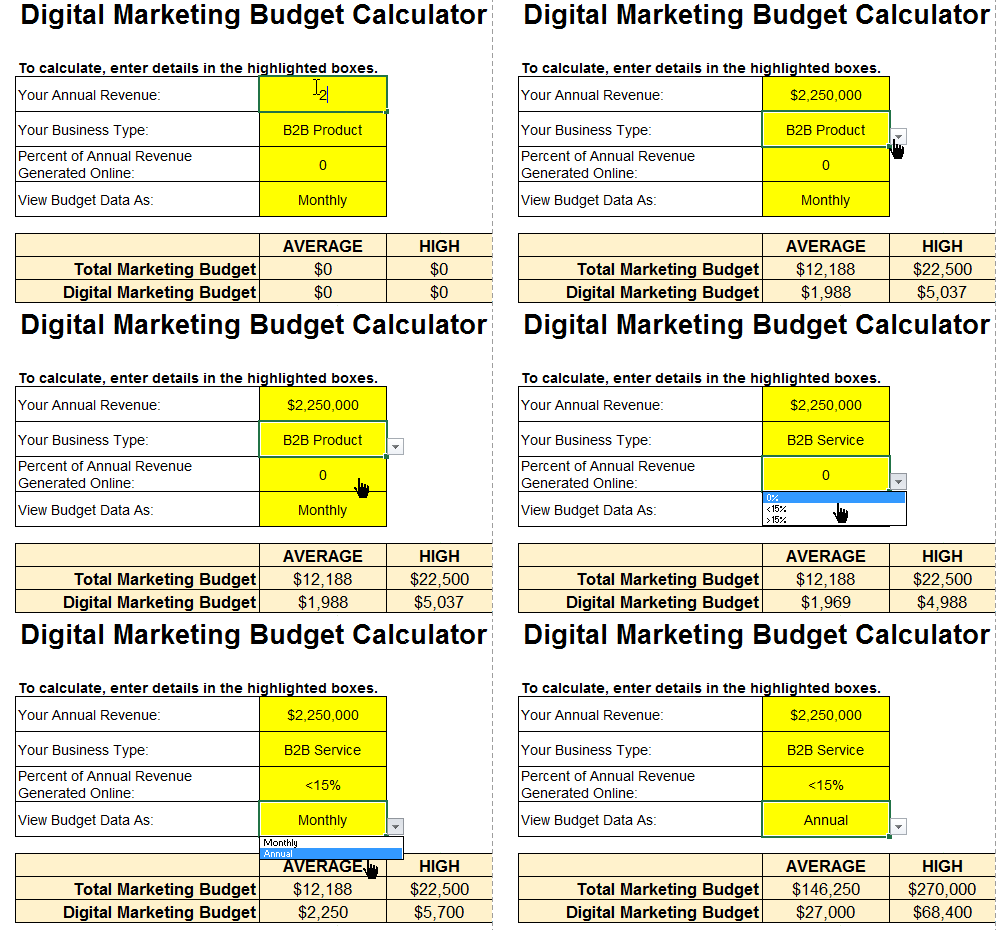
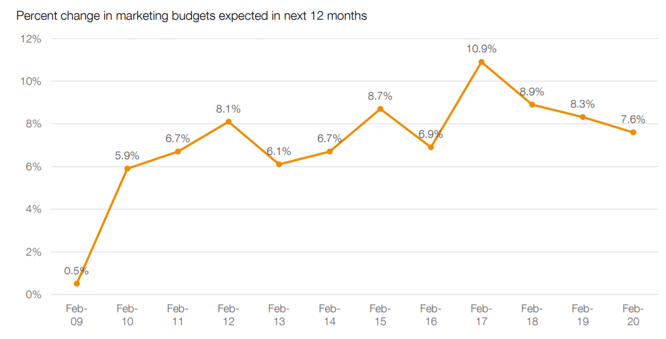
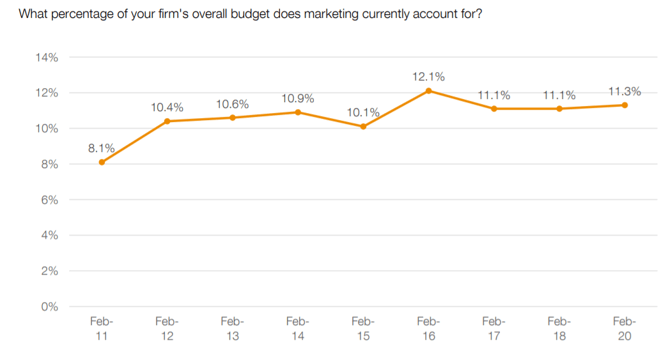
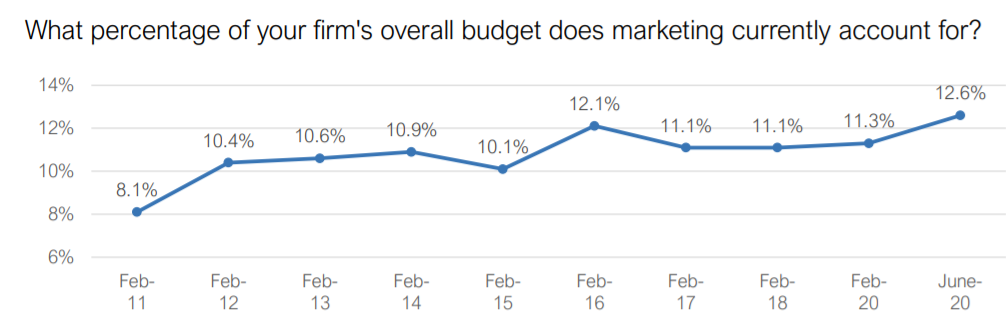
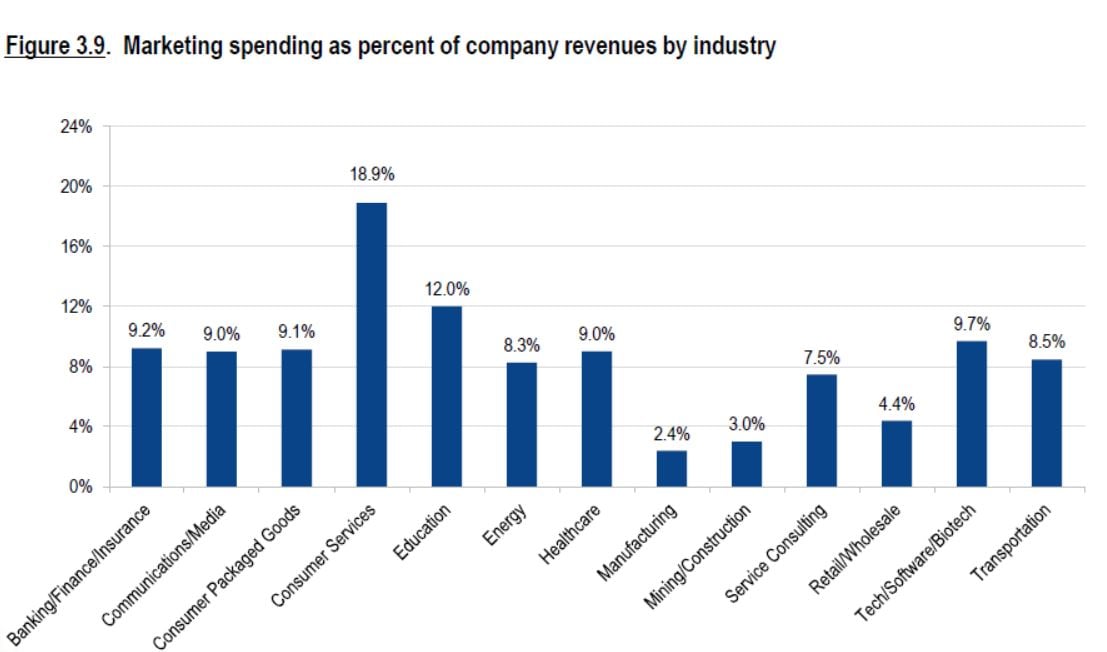
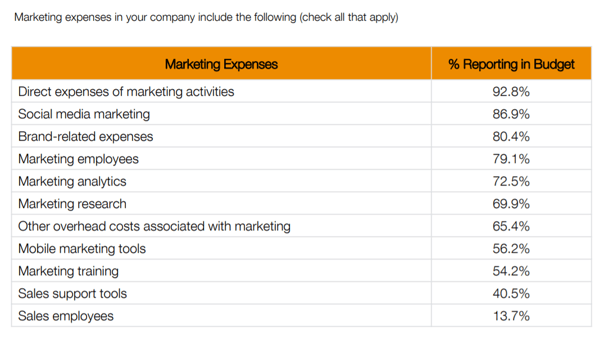
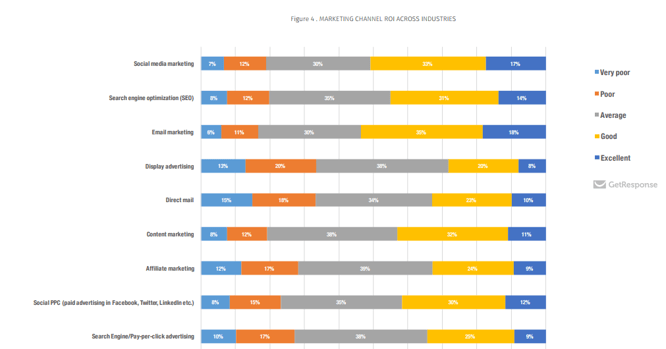
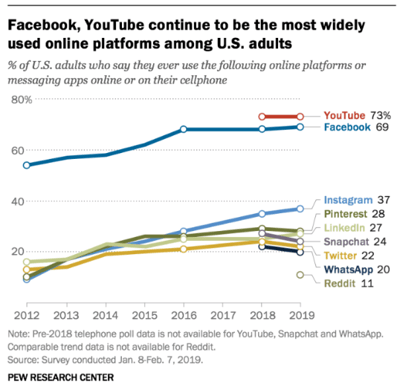
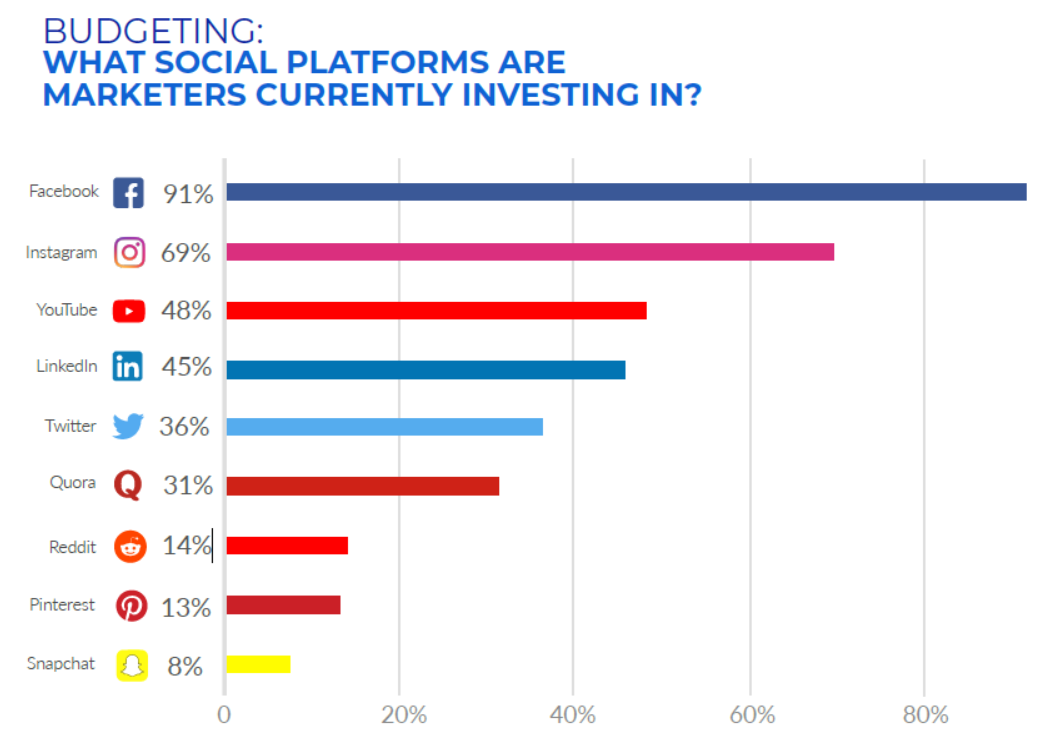
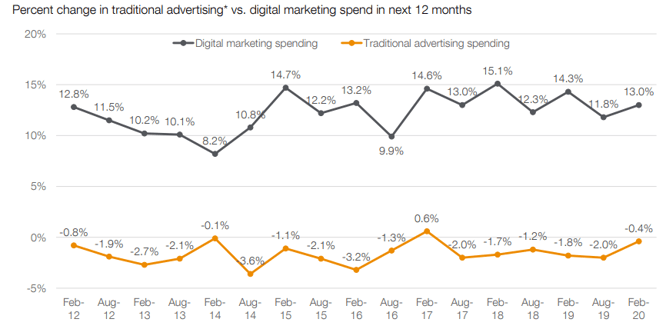
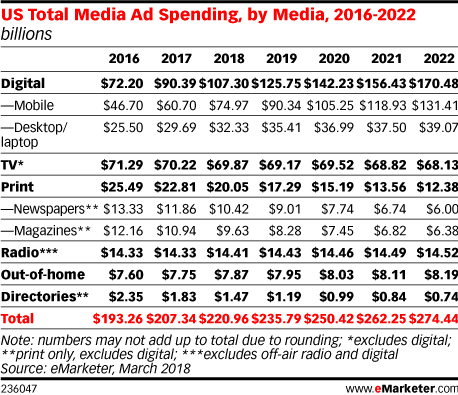
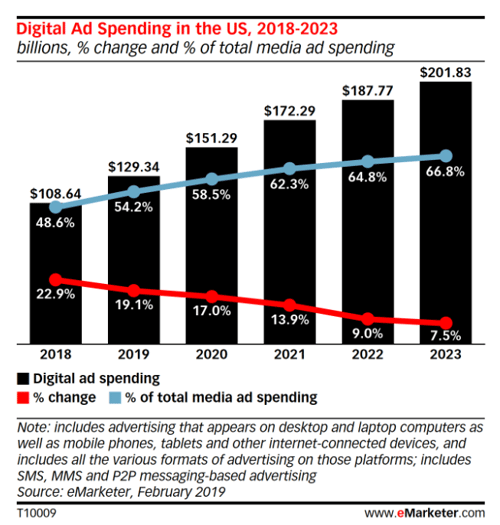
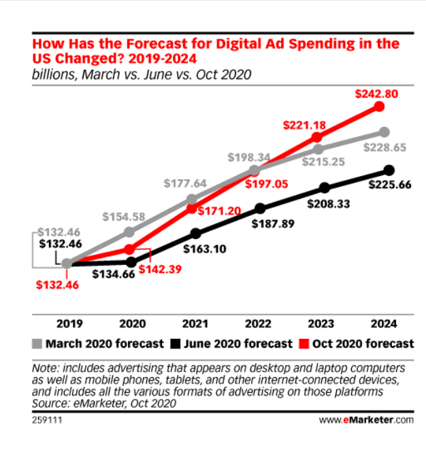
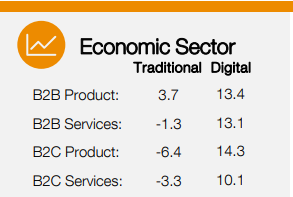
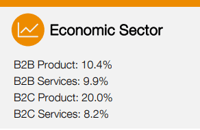
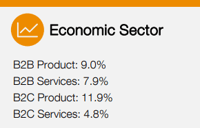
Last update: November 2020 (note: this information has been updated to include adjustments resulting from the COVID-19 pandemic, but further changes could be needed as the long-term impact become more clear.) This article provides information that can guide you about how to budget for marketing and where to invest your marketing dollars. Included in this article are: The answers to these questions come from a few reliable sources: This post is broken down into the following sections: (short on time? Skip to the bottom for the tl;dr) Marketing budgets vary by industry. Looking for specific information for one of the industries we specialize in? Check out our articles on: DOWNLOAD OUR EXCLUSIVE 2021 BUDGET CALCULATOR First, a look at how marketing budgets are changing. For eleven consecutive years in the CMO Survey, top marketers were asked how their marketing spend was expected to change in the upcoming year. Since 2009, marketing budgets remained relatively consistent or increased compared to the previous year for the majority of participants. The February 2020 CMO survey indicated that marketing budgets were expected to grow by 7.6% in the next year, reflecting a slight dip in growth but remaining on an upward trajectory. The report above from cmosurvey.org shows the variation in the expected rate of increase in marketing spend, not the actual increase. The largest increase in projected marketing spend occurred shortly after the recession of the late 2000's, but continues to fluctuate between 4 and 10%. A special survey was conducted in June 2020, gathering information on how the pandemic was impacting marketing plans. As expected, marketers were far more conservative in their marketing spending plans, with that 7.6% growth adjusted to only 1.6%. Read on to see how marketing budgets are faring compared to overall firm budgets. You can download the full CMO Survey reports here. Marketing budgets as a percent of the overall firm budget has remained fairly steady over the past several years, as shown in the chart below. Consistent with the increase in marketing budgets overall, marketing budgets as a percentage of firm budgets was projected to reach 11.3% in 2020 according to the February 2020 CMO Survey. Clearly everyone expected to see adjustments to that number as the pandemic had far reaching impacts across most industries and locations. What not everyone anticipated is how that number would change. Marketing budgets as a percentage of overall firm budgets actually rose to the highest level recorded since the CMO Survey began. Marketing spending as a percentage of revenue was similarly impacted by the shockwaves of the pandemic. This number tends to fluctuate, but generally hovers between 6.5% to 10%. The February 2020 pre-COVID CMO survey showed an anticipated 8.6% of revenue for the average marketing spend, with B2C product companies devoting 11.9% of revenue to marketing, and B2C service companies spending only 4.8% of revenue. With the June 2020 survey, that 8.6% average marketing spend as a percentage of firm budget had risen to a whopping 11.4%. Why does marketing appear to have been given such a high priority? As overall firm budgets and revenues fell in many sectors, marketing budgets often still rose, reflecting the focus on maintaining brand awareness and retaining customers. The chart below, from a CMO Survey in a past year, shows how much marketing budget as a percent of total revenue can vary by industry. One of the difficulties in providing a general budget recommendation is that not all companies are consistent with what they include in their marketing budget. While some companies include any marketing, and even sales related expenses, others would categorize some of those expenses separately as a part of their total budget. The chart below illustrates these inconsistencies, and shows the marketing expenses most commonly included. The special June 2020 edition of the CMO Survey showed the strong focus brands were putting on customer experience during this difficult year. Companies had adjusted their investment in customer experience to 16.7% of marketing budget, up from 15.2% in the February 2020 survey. Marketers expected the number to grow to 20.6% in the next three years. Investment in training and development took a hit in 2020—the August 2019 CMO Survey had shown planned spending on marketing training and development reaching a 5 year high, with 5.8% of marketing budgets dedicated to training and development. In June of 2020, that number had been adjusted downward to 4.4%. The 2019 study by Gartner reported that marketing leaders planned to spend 26% of their marketing budget on marketing technology in 2020 (down from 29% in 2019), making it the single largest area of investment for marketers, followed by labor, agencies and paid media. Email marketing platforms, web content management and digital marketing analytics platforms were the highest martech priorities. The next question to answer is how to allocate marketing budgets across channels – offline and online—and how to spread the online investment across the various online/digital channels. Reports from Forrester Research and eMarketer show the estimated allocation of marketing funds offline vs. online and across the digital channels. Here are some conclusions from those reports: How marketing funds are ultimately allocated is driven by the nature of the business, the competitive marketplace, and how target customers behave through the buying funnel. The Gartner CMO Spend Survey found that 26% of marketing budgets were spent on paid media, and when that was broken down by category, digital paid media accounted for 16% of total marketing budgets. In a February 2019 survey by eMarketer, the average company planned to allocate 62.3% of its total media ad budget to digital in 2021, with that rate increasing to 66.8% by 2023. It's important to note that those last percentages relate specifically to ad spending, not marketing spending as a whole. However, we generally see a commensurate percentage allocated to online versus offline channels across the entire marketing budget. In a survey of 2,500 digital marketers, respondents reported on what marketing activities generated the best ROI. This survey is from 2017, but channels have continued to show similar trends. Email marketing still leads the way with the highest percentage of Excellent and Good ROI results reported, with social media marketing following closely behind. Marketing technologies and automation are proving effective at bringing together the most effective marketing tactics (email marketing, organic search, social media marketing and content marketing) to achieve better results. A Pew Research study from 2019 shows Facebook maintaining their dominance in social media platform usage in the United States. And while Facebook has leveled off in usage, it remains an important channel for many marketers despite some recent controversies. While there are no direct investment assessments associated with this particular study, it does show noteworthy trends among the major social channels, and suggests an emphasis should be made on Facebook and Instagram channels for social advertising. Instagram has steadily grown in usage, and it makes sense for many business types to focus some of their ad dollars on these two platforms. YouTube, while not a traditional social channel, is used by 73% of US adults, and a whopping 94% of 18-to-24 year olds. It can be an effective tool in an advertiser's toolbelt as well, depending on the target audience. In Hanapin Marketing's 2019 Paid Social report, 97% of marketers were investing in paid social advertising, up 10% from the year before. Facebook represented the largest share of that paid social pie, with 91% of marketers currently investing in Facebook, but 26% planned to spend less on Facebook in the coming year. Facebook has become a formidable competitor to paid search, but has weathered some controversy and changes to their ad platform in the past few years. Instagram, by comparison, expect to see increased investments from almost half of respondents (46%). 51% of marketers expected to spend more on YouTube, which has become more direct response focused. This chart, also from cmosurvey.org, shows the sharp contrast between digital growth and offline decline. For a half decade, investments in traditional advertising have consistently dropped by single digit percentages each year. Digital marketing spend, by comparison, has consistently grown by double digit increments year after year. This means businesses are shifting their marketing spend. What used to be spent on radio, television, and newspaper is now being spent on search, email, and social. This trend is expected to continue for the next several years. The chart below from eMarketer projects the following for 2021: A few years back, digital media spending surpassed TV advertising spending for the first time. That gap has rapidly widened—2019 marked another significant milestone, with digital ad spending surpassing all traditional media ad spend combined for the first time. By 2021, digital spend will more than double television spending. The point is, if you're not investing heavily in digital marketing, you're being left behind by your competitors and you're missing a huge opportunity for visibility to your prospects and customers. Of course not much was left untouched by the upheaval of 2020, so eMarketer published a report in October 2020 on the changes to the forecast for digital ad spending. The chart below tracks the progression in the forecast, showing a course correction in June 2020, but ultimately landing on an even more optimistic picture of digital advertising by 2023. Digital spend is only a portion of total marketing spend for most businesses.Businesses who rely more heavily on the internet to generate sales (e.g. an ecommerce business), invest a greater percentage of their marketing budget towards digital. While the latest Forrester Research report projects that digital marketing spending will make up 46% of all ad spend in 2021, this number can vary depending on a variety of factors including industry, growth plans and local market. For more traditional businesses, which rely on offline AND online activity to fill the sales funnel, a healthy mix of marketing investment is to be expected. Across all sectors, digital marketing budgets have increased consistently, while traditional channels have lost ground. However, there are occasional pockets of growth in traditional marketing, such as the one positive growth area for B2B Product industries, as shown below from the February 2020 chart. B2B companies tend to be slower to transition to a more digital model, but even they have shown double-digit growth in digital investments, and are likely to show an even larger shift towards digital in 2020 and 2021 due to the current restrictions on in-person events. The CMO survey offers some answers. In the charts below you'll see how marketing professionals from all types of firms responded to this question in 2020. Marketing budget as percent of firm budget Marketing spending as percent of company revenues The main takeaways from this survey are as follows: It is important to note that these percentages represent the total marketing investment, not just advertising or media spend. They include things like marketing staffs, customer relationship management, investments paid to agencies and other outside suppliers, advertising costs, media spend, etc. Firms seeking to grow market share will likely be on the high side of these averages vs. firms planning for modest growth, which may be on the lower side. Additionally, the competitive nature of a certain marketplace will influence where a particular firm falls among these average figures. We purposely compile surveys from a variety of sources over a number of years to give you an objective perspective, and appropriate context. The conclusions of each survey are not always consistent. This inconsistency represents the diversity of business needs and the marketing strategy that accompanies it. That being said, the overarching themes from the above studies are as follows: Bringing together the data from these credible sources in the marketing community should help you determine how much to spend on marketing, and where to apply those investments. At WebStrategies, Inc, we know your marketing investments should result in profitable sales. Learn more about how online/digital marketing methods such as inbound marketing, Google Analytics, display advertising, and web design and development can help you achieve your sales goals. Where do you get the most bang for your buck when it comes to your marketing budget? Let us know in the comments section below. 2021 Digital Marketing Budget Calculator Credit Union Marketing BudgetsWe regularly update the following post with the latest information pertaining to Digital Marketing Budgets.


Overall Changes In Total Marketing Budgets
How to Allocate Your Marketing Budget
Which Marketing Strategies & Tactics Are Getting The Best Results?
Which Social Media Channels Should I Invest In?
Expected Changes In Social Media Platform Investments
Changes in Traditional Versus Digital Marketing Spend
Percentage Of Marketing Budget Spent On Digital
How Much Should Your Firm Budget For Marketing?
Marketing & Digital Budget Summary - What Does It All Mean?
You may also be interested in ...
What Is A Good Marketing ROI?
What Is A Good Cost Per Click? Industry-specific budgeting information ...
Manufacturing Marketing Budgets
Topics Marketing budgets, Advertising, Internet Marketing, Inbound Marketing, Marketing Automation, Social Media, Display Advertising, Digital Marketing
Where To Find Money To Invest On Tight Budget
Source: https://www.webstrategiesinc.com/blog/how-much-budget-for-online-marketing-in-2014
Posted by: colesabigh1956.blogspot.com
0 Response to "Where To Find Money To Invest On Tight Budget"
Post a Comment